

The Quick Version
- Choosing the wrong pallet doesn’t just waste money — it creates racking incompatibility, export compliance failures, and safety risks.
- The right choice depends on five key factors: what you’re moving, how you’re storing it, where it’s going, what industry you’re in, and what your budget actually allows.
- Australia operates on a unique 1165mm × 1165mm standard — but that’s just the starting point, not the whole answer.
- This guide walks you through each decision factor so you can match the right pallet to your specific operation.
- For a full overview of pallet types available in Australia, see our definitive guide to pallet types.
Most businesses treat pallets as a commodity. They order what they ordered last time, or they buy whatever is cheapest, or they inherit a mix of CHEP blue, Loscam red, and unlabelled white wood from the previous tenant — and work around the consequences. It is only when something goes wrong that the decision gets examined: a racking incident, a shipment rejected at a foreign port, a food safety audit flagging contamination risk, or a CHEP account that has quietly ballooned into a six-figure liability.
The truth is that choosing the right pallet is one of the more consequential procurement decisions an operations team makes. It just rarely gets treated that way. This guide changes that. Rather than cataloguing every type of pallet available, our definitive guide to pallet types covers that ground — this guide focuses on the five operational factors that determine which pallet is right for your business, and what goes wrong when the match is poor.
What Are You Actually Moving?
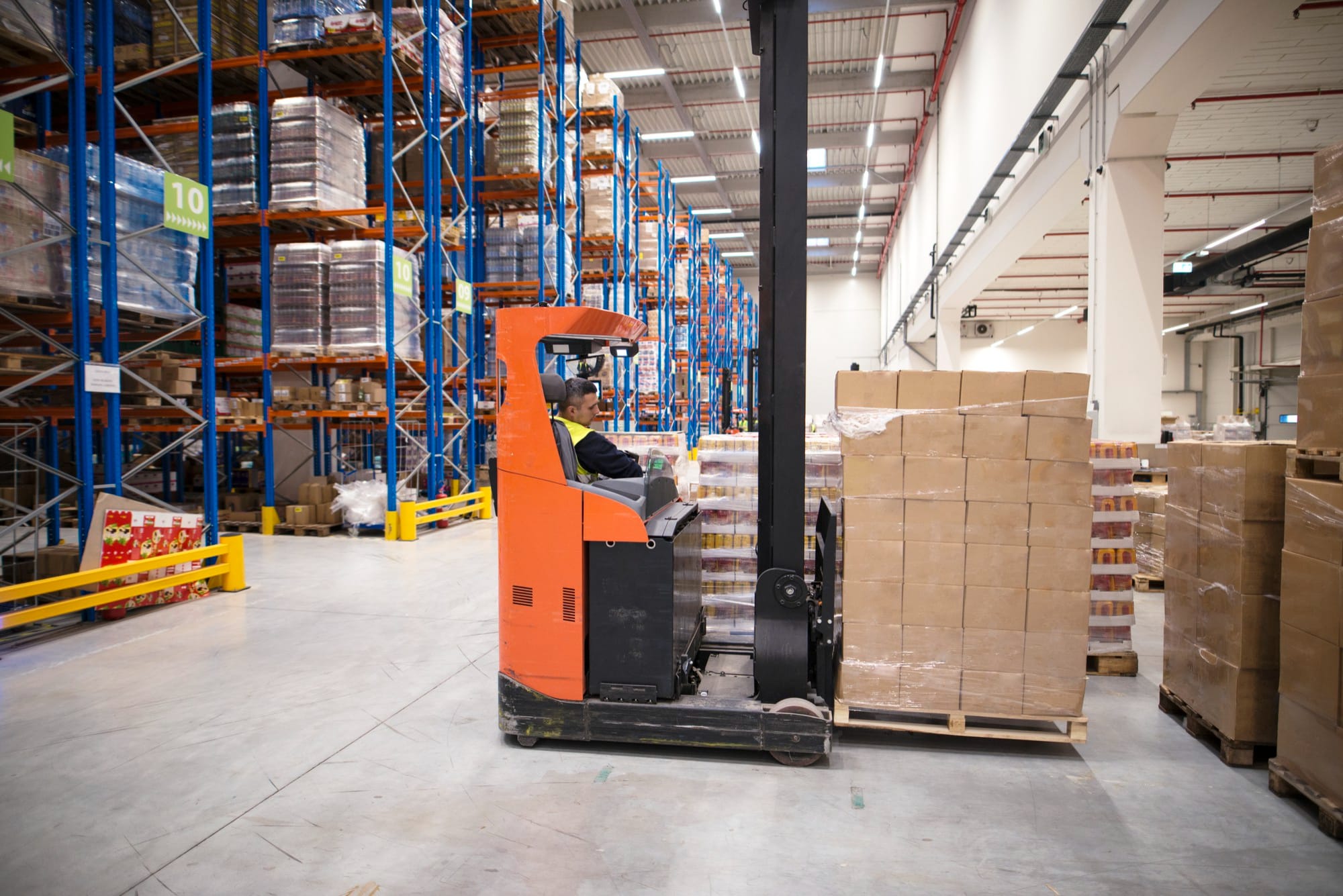
Start here. Before size, before material, before price — the nature and weight of your load is the single most important variable in choosing the right pallet.
Australian pallet load ratings operate across three distinct tiers, and most buyers only think about one of them. A static load rating refers to a pallet sitting stationary on a flat surface — the highest of the three. A dynamic load rating applies when the pallet is being moved by a forklift or pallet jack, where impact and vibration reduce structural tolerance. A racking load rating — often the lowest — applies when the pallet is supported only at two outer edges by racking beams, which concentrates stress entirely on the stringers.
Standard pine pallets typically hold up to 1 tonne in a racking configuration. That is adequate for most FMCG, retail, and light manufacturing applications. But businesses in mining, construction, or heavy industrial sectors routinely exceed that threshold. Loads of 2 tonnes or more require heavy-duty pallets rated for the actual load, not aspirationally close to it. Overloading a standard pallet in racking is not just an inefficiency — it is a SafeWork violation and a racking collapse risk that affects every pallet stored in the same bay.
Beyond weight, consider the nature of the goods. Fragile products require pallets without protruding nails and with consistent surface integrity — qualities that vary significantly between new and ungraded second-hand stock. Hazardous or hygiene-sensitive goods introduce a different set of material requirements entirely, which leads to Factor Two.
How Are You Storing It?
The gap between “this pallet fits” and “this pallet is compatible with my storage system” is where a lot of costly mistakes live — and where choosing the right pallet for your racking configuration becomes a genuine safety decision, not just an operational preference.
Australia’s standard pallet — 1165mm × 1165mm × 150mm, as defined by AS 4068-1993 — was designed to integrate precisely with Australian racking systems. Standard racking frames are typically 840mm deep to accommodate the pallet’s overhang. Beam lengths are engineered for standard bay widths. Introduce pallets that deviate from this footprint — even slightly — and the geometry that makes your storage system efficient begins to break down.
Different racking configurations introduce their own demands. Selective (wide-aisle) racking is the most forgiving, tolerating minor variation in pallet size or condition. Drive-in and drive-through racking are far less tolerant — a damaged or undersized pallet mid-lane blocks access to the entire run. Pallet-live racking, where pallets ride on roller conveyors under gravity, requires consistent pallet dimensions to function; a non-standard pallet jams the system entirely. Automated warehouses are the least forgiving of all: a warped or inconsistent pallet doesn’t just cause an operational hiccup, it defeats the entire purpose of the automation investment.
If you are setting up a new facility or expanding an existing one, new pallets manufactured to Australian Standard dimensions eliminate the dimensional uncertainty that creates cascading inefficiencies further down the line. For general storage at scale, quality-graded second-hand pallets can match the performance of new at significantly lower cost — provided they are properly graded, not just loosely described as “recycled.”
One more thing worth noting: all racking installations in Australia must comply with AS 4084:2023. That standard requires that pallets be compatible with the racking system they are used in. It is not just a design requirement — it is an operational one that sits with the warehouse operator.
Where Is It Going?
Domestic distribution and international export are governed by entirely different rules, and choosing the right pallet branches sharply at this point.
For domestic and interstate freight, the Australian standard 1165mm × 1165mm pallet is the correct choice. It was specifically engineered to fit RACE rail containers, with two pallets side by side across the container width. Approximately two-thirds of the 140 million pallets in circulation in Australia conform to this size. Using a non-standard size for domestic distribution creates equipment compatibility issues, longer load/unload times, and compatibility problems at customer facilities.
For export, the equation shifts considerably. The 1165mm Australian standard is poorly suited to ISO shipping containers — only one fits across the container floor width, leaving significant dead space. Export operations more commonly use 1100 × 1100mm (common for Japan and Korean markets) or 1200 × 1000mm (the ISO standard used across Europe and North America). Getting the size right for export is step one. Getting ISPM 15 compliance right is step two — and it is non-negotiable.
The Question Every Exporter Must Answer: ISPM 15 Compliance
If your timber pallets are crossing an international border, ISPM 15 compliance is not optional. The International Standards for Phytosanitary Measures No. 15 requires that all solid wood packaging thicker than 6mm used in international trade be treated, debarked, and stamped with the official IPPC mark. Over 180 countries enforce this standard — including every major Australian trading partner: China, Japan, the United States, the European Union, India, and Indonesia.
Heat treatment — bringing the wood’s core to a minimum of 56°C for at least 30 minutes — is the dominant method and the one that virtually all Australian exporters use. The methyl bromide fumigation alternative is declining globally; Australia prohibited all non-quarantine uses from January 2005, and heat treatment has become the industry standard.
The consequences of non-compliance are serious and immediate. Shipments with unmarked or improperly treated timber packaging are quarantined on arrival, often held for 7–14 days while re-treatment or destruction is arranged — at the exporter’s expense. In the United States, emergency examination fees alone exceed $7,000. In Saudi Arabia, first-offence fines range from SAR 5,000 to 20,000 (approximately AUD $2,000–$8,000), plus mandatory return of the shipment. Repeat violations trigger escalating penalties and increased scrutiny on all future shipments.
One critical operational detail often overlooked: if a treated timber pallet is modified or repaired in any way — even having a single board replaced — the ISPM 15 stamp is invalidated. The pallet must be re-treated and re-stamped before export. This applies to any modification, however minor.
There is one clean way to sidestep ISPM 15 entirely: use plastic pallets. Plastic is categorically exempt. For businesses exporting high-value goods where a single rejected shipment would be commercially devastating, plastic pallets for export-destined loads can make straightforward financial sense, despite their higher upfront cost.
To Hire or to Buy? The Economics Most Businesses Get Wrong
CHEP and Loscam dominate pallet hire in Australia. Both operate on a transfer-hire model — you pay a daily rate while the pallet is in your possession, and the fee transfers between supply chain partners as the pallet moves. CHEP uses hardwood pallets; Loscam uses softwood radiata pine, which at approximately 34kg is lighter than CHEP’s 38kg equivalent — a meaningful difference when you are handling 22 pallets per truckload.
The daily rates start at around $0.199 per day for CHEP and $0.20 for Loscam. That translates to approximately $5–7 per pallet per month in hire fees. At scale, those costs compound rapidly — and the lost pallet charge of $55 per CHEP pallet ($39.99 for Loscam) adds a layer of financial exposure that many businesses underestimate until they audit their accounts.
Hire makes sense in specific circumstances: when major retail customers mandate it, when you lack space to store empty pallets, or when demand is too seasonal to justify owning a fixed pool. But for closed-loop operations, export shipments, non-standard applications, or businesses operating in regional WA where CHEP and Loscam depot coverage is limited, buying outright often delivers a significantly better return. New pine pallets cost $20–30, and properly graded second-hand pallets run $10–16, less than the cost of losing a single hire pallet.
The Bunnings case is worth keeping in mind here. In 2010, Bunnings was ordered to pay CHEP over $10 million for using approximately 65,000 pallets without a formal hire agreement. Pallet hire liability is not a theoretical risk.
Your Industry Changes Everything
There is no universal formula for choosing the right pallet — only the right answer for your application. Here is how the key Australian industries map to pallet requirements:
- Food and pharmaceutical: Non-porous surfaces matter. Timber is porous — it absorbs moisture and can harbour bacteria, fungi, and contaminants. For products with direct food contact, plastic pallets are the correct material choice. For packaged food in secondary contact, new or well-maintained timber pallets can work within a formal HACCP wood policy. Pallets moving through the Coles and Woolworths supply chains typically require CHEP or Loscam.
- Mining and construction: Standard pine is insufficient for loads exceeding one tonne. Heavy-duty hardwood pallets handle the weight, the outdoor conditions, and the rough handling that characterise these environments. Oversized equipment or unusual product geometry often requires a custom pallet design — standard sizes simply do not fit.
- Retail and FMCG: Retailer mandates often determine the choice. Where CHEP or Loscam is specified, hire is the practical reality. Where it is not, standard pine pallets are the cost-effective workhorse.
- Export and international trade: ISPM 15-compliant pallets are mandatory for timber. Consider size carefully — the Australian standard waste container space. For high-value or repeat export routes, plastic pallets eliminate compliance risk entirely.
- Budget-sensitive or one-way applications: For single-use shipping, internal transfers, or low-value goods, skids and small pallets reduce cost without sacrificing function.
Five Mistakes That Cost Australian Businesses Thousands
Getting pallet selection right is largely about avoiding predictable, preventable errors. The five most common are:
- Under-specifying load capacity: Exceeding a pallet’s racking load rating is one of the leading causes of warehouse racking incidents in Australia. The racking load is always the lowest of the three ratings — verify it before committing.
- Ignoring racking compatibility: Oversized pallets push adjacent pallets off racking beams. Undersized pallets drop through them. Skid pallets without timber decks can fall through entirely. Non-standard imported pallets — US 1219 × 1016mm or Euro 1200 × 800mm — do not fit Australian-spec racking frames without modification.
- Shipping without ISPM 15: Non-compliant export shipments are held, re-treated, or destroyed at the exporter’s expense. There is no grace period and no goodwill — border authorities apply the standard uniformly.
- Choosing the wrong material for food or pharma: Wooden pallets in direct contact with unpackaged food products create a genuine contamination risk that a HACCP auditor will flag immediately.
- Hiring when buying makes more sense: Daily hire fees on a 500-pallet pool add up to $30,000–40,000 per year — more than the purchase cost of the same pallets outright. Running that calculation once a year is worth the hour it takes.
How Palletwest Helps You Choose
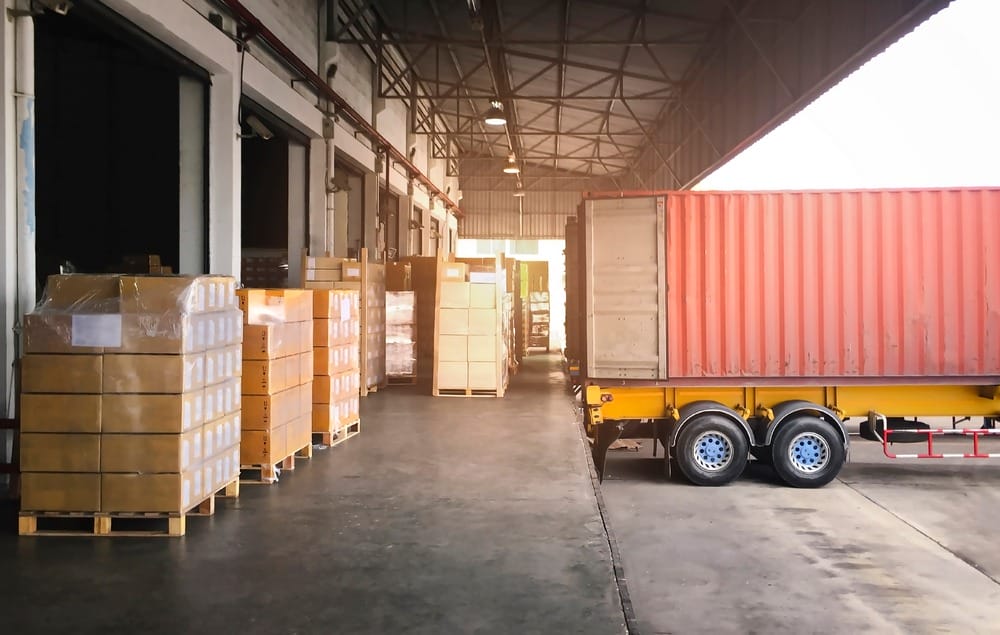
This is where the decision gets easier. We are a Perth-based pallet manufacturer and supplier with over 25 years of experience across WA’s warehousing, logistics, food distribution, mining, and export sectors. Our clients include ALDI, Amazon’s WA distribution centre, Brownes Dairy, PFD Foods, and Reece — businesses where getting the pallet choice right has real operational consequences.
Our range covers every scenario covered in this guide. New pallets manufactured to Australian Standard dimensions for racking, automation, and retail supply chains. Pine pallets for cost-effective domestic operations. Heavy-duty pallets rated to 5,000 kg static for mining and industrial applications. Custom pallets designed with 3D software for non-standard loads. Quality second-hand pallets for budget-conscious buyers who need consistency without paying new prices. And affordable skids and small pallets for one-way and short-term applications.
For businesses shipping internationally, our on-site ISPM 15 heat treatment facility is one of the few licensed in-house operations in WA, which means no outsourcing delays, full traceability, and every pallet stamped with the certified IPPC mark before it leaves our yard.
We also run pallet collections and recycling for businesses managing surplus or end-of-life stock, and a pallet site management service that handles on-site organisation, sorting, and regular removal — so your operations team is focused on operations, not pallets.
Frequently Asked Questions
What is the most important factor when choosing the right pallet for my business?
Start with your load. The weight, nature, and fragility of what you are moving will determine the load rating you need across all three tiers — static, dynamic, and racking. From there, your storage method and destination shape the rest of the decision. Choosing the right pallet requires matching all five factors covered in this guide, not just the one that is most immediately obvious.
What is the standard pallet size in Australia, and does it matter for racking?
The Australian standard pallet measures 1165mm × 1165mm × 150mm under AS 4068-1993. It matters enormously for racking — Australian racking frames are designed at 840mm depth to accommodate this exact footprint. Using non-standard pallets creates clearance problems, compliance issues under AS 4084:2023, and handling inefficiencies that compound across hundreds of positions.
Do I need ISPM 15-compliant pallets for all exports?
Yes, for any timber pallet leaving Australia with international freight. Over 180 countries enforce ISPM 15, including all of Australia’s major trading partners. Non-compliant shipments are quarantined, re-treated, or destroyed at the exporter’s expense. Plastic pallets are categorically exempt from ISPM 15 — a relevant consideration for high-value export routes. Australia’s compliance requirements are administered by DAFF through the Australian Wood Packaging Certification Scheme.
What type of pallet is best for warehouse racking?
For selective racking, consistently sized Australian standard pallets in good condition are the correct choice. For drive-in, push-back, or automated racking, new pallets are strongly recommended — dimensional variation in second-hand stock creates operational failures in less forgiving systems. Skid pallets without timber decks are unsuitable for racking. All pallets must be rated to the racking system’s Safe Working Load as shown on the AS 4084 compliant load sign.
How much weight can a standard timber pallet hold?
It depends on the load type. A standard pine pallet typically handles up to one tonne in a racking configuration. The racking load is always the most restrictive of the three ratings — static, dynamic, and racking. For loads exceeding 1.5–2 tonnes, heavy-duty pallets rated for the actual application are required.
Is hiring CHEP or Loscam pallets better than buying?
It depends on your operation. Hire suits businesses where major retail customers mandate it, where demand is seasonal, or where empty pallet storage is impractical. Buying outright is typically more economical for closed-loop supply chains, export applications, non-standard sizes, and businesses operating in regional WA where depot coverage is limited. Properly graded second-hand pallets at $10–16 each often deliver better total cost of ownership than a hire arrangement for businesses with predictable, consistent pallet volumes.
Make the Right Call Before the Wrong One Costs You
A pallet is not just a platform. It is a load-bearing decision that touches your storage system, your freight costs, your compliance obligations, and — for anyone shipping overseas — your relationship with your international customers. The businesses that treat it as a commodity eventually learn the hard way why it deserves more careful thought.
The five factors covered in this guide — load, storage, destination, industry, and budget — give you the framework. What they cannot give you is the specific answer for your specific operation. That is where experience comes in.
Not sure which pallet is right for your setup? Talk to our team at Palletwest. We have been supplying and advising WA businesses on pallet selection for over 25 years, and we carry the full range — from standard pine to heavy-duty hardwood, second-hand to custom, domestic to export-ready. Get in touch with Palletwest today, and we will help you get the right pallet for the job.