

From factories to warehouses to logistics centres, pallets are the unsung heroes that keep Australia’s operations moving behind the scenes. From stacking and storing to transporting products safely, they’re the backbone of efficient supply chains, even if they don’t get much attention.
So join us as we break down the different types of pallets used across Australian industries, highlight the pros and cons of each, and show you how to choose the best one for your business.
Whether it’s reducing breakages, saving space or cutting costs, the right choice can make a real difference to your day-to-day operations, so let’s get you up to speed on everything you need to know.
Why pallets matter in every industry
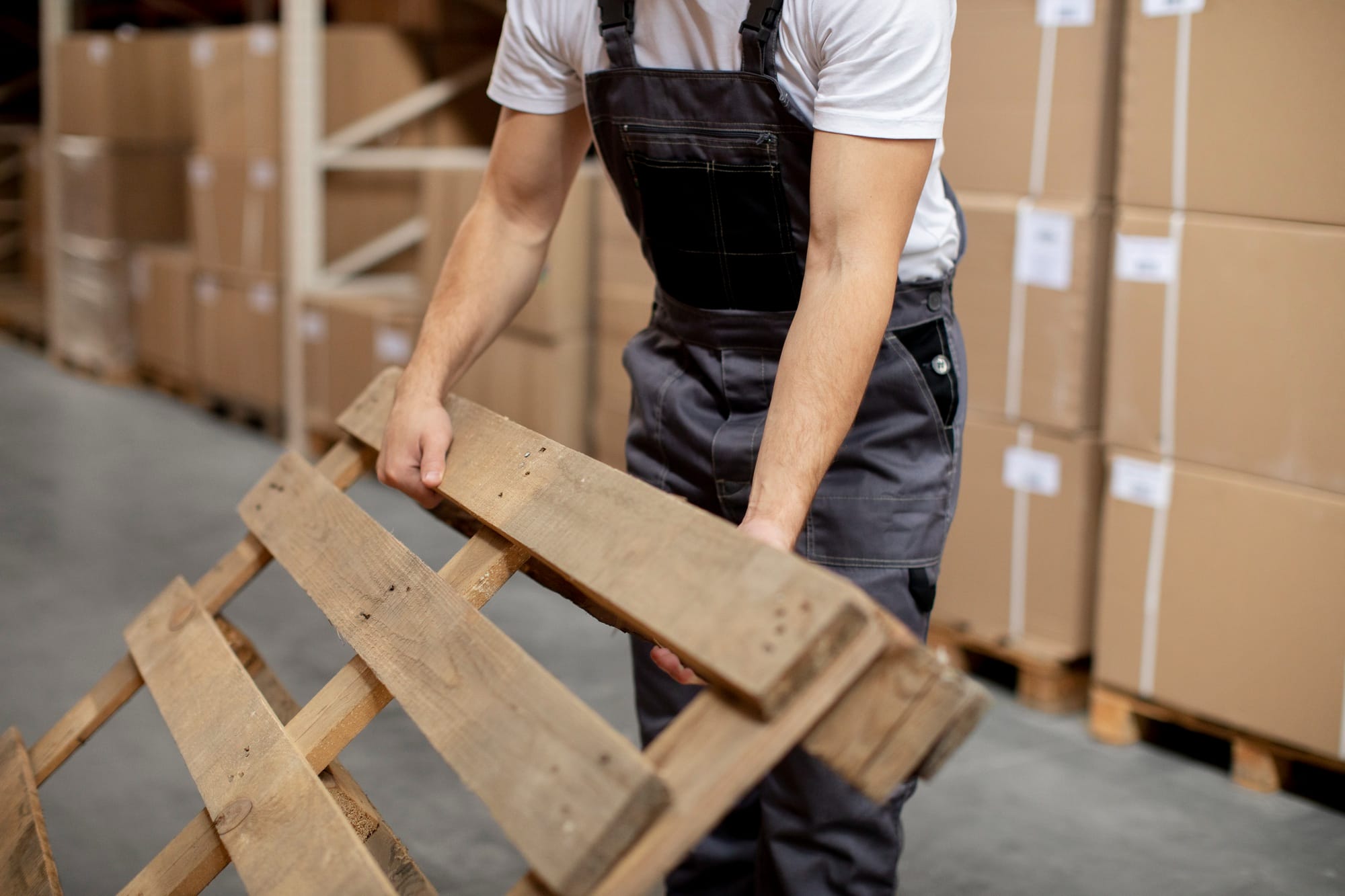
You might think of pallets and skids as simple wooden or plastic platforms. But in reality, they’re a fundamental part of modern business operations. In fact, the right pallet can influence everything from warehouse efficiency to product safety. And even your bottom line can benefit from smarter pallet choices.
Choosing the wrong type, on the other hand, can lead to damaged goods, slowed workflows and unnecessary costs.
Here’s why pallets are more than just ‘storage tools,’ and why Australian businesses in every sector should pay attention to them:
1. Protecting products
A sturdy, well-chosen pallet acts like a safety net for your goods. Whether you’re shipping fragile wine from Margaret River or moving bulky mining machinery from Kalgoorlie, the right pallet keeps products stable, prevents crushing or tipping and reduces the risk of damage during transport or storage.
2. Maximising efficiency
When it comes to pallets, one size definitely doesn’t fit all. The right size, design and material can make a huge difference to how smoothly your warehouse or supply chain runs. The right pallet helps teams move goods faster, load and unload trucks more easily, and make the most of your storage space.
For example, a stack of nestable presswood pallets can save valuable floor space when storing short-term or export shipments. While block pallets with 4-way forklift access let your team handle heavy loads quickly and safely without slowing down operations.
3. Ensuring safety
A safe warehouse begins with the right pallets — the foundation for stable loads and accident-free operations. Strong, reliable pallets keep loads level and secure, so boxes don’t tip over when being moved by forklifts or conveyors.
They also prevent accidents caused by cracked or broken boards, which can trip staff or cause products to fall. In busy operations like manufacturing, warehousing or mining, the right pallet ensures that heavy machinery, bulk goods or delicate items stay stable.
4. Controlling costs
The right pallet can save your business money in the long run. Durable pallets mean fewer replacements, fewer repairs and less wasted time dealing with damaged goods. For example, a high-quality plastic pallet might cost more upfront than timber. But it can be used over and over in food or pharmaceutical operations, saving money down the track.
On the flip side, cheap or unsuitable pallets for heavy machinery or bulk exports can lead to broken products, delayed shipments and constant repurchasing. Choosing wisely keeps costs under control and your operations running smoothly.
Different types of pallets and their best uses
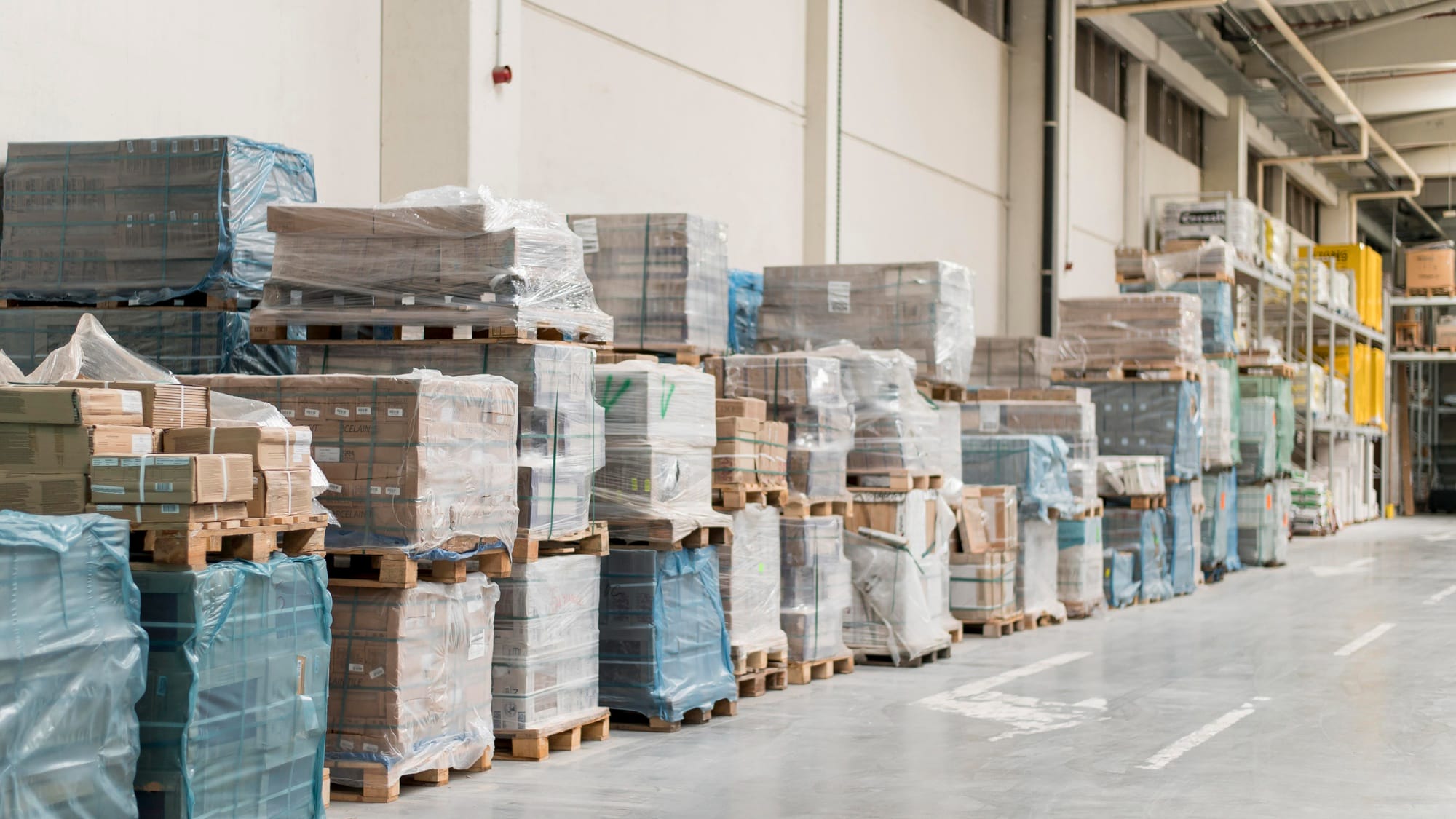
Understanding the importance of pallets is only half the story. Knowing which pallet type fits your operations is just as critical. Each material has its own strengths, trade-offs and best uses depending on your industry, handling systems and storage needs.
Below, we’ll explore the different types of pallets most commonly used across Australian industries, and what makes each one unique.
1. Timber pallets
Still the workhorse of the pallet world, timber pallets are a staple across Australian warehouses, farms and factories. They strike the right balance between cost, strength and repairability, which is why they remain the most widely used pallet type in the country.
Why businesses choose them
Put simply, timber pallets can take a beating and keep going. They handle heavy loads day in and day out, and if a board cracks, it’s quick and cheap to repair. They’re also easy to source locally, which is a huge plus for Australian operations that rely on consistent supply.
Where timber pallets work best
- Manufacturing: Timber pallets can carry heavy machinery parts, raw materials, and bulk components safely around the factory floor. Their strength and stackability make them excellent for handling large loads efficiently.
- Warehousing: In storage facilities, timber pallets support heavy inventory while allowing easy stacking, retrieval and compatibility with forklifts or pallet jacks.
- Logistics & transportation: For shipping goods locally or interstate, timber pallets provide a reliable, cost-effective solution that keeps products stable and reduces the risk of damage.
- Retail & distribution: Timber pallets are often used to move boxed products from warehouses to retail stores, balancing durability with affordability for everyday handling.
Quick pros & cons
| Timber Pallets – Pros | Timber Pallets – Cons |
| Cost-effective and widely available | Prone to moisture, pests and splinters if not stored properly |
| Easy to repair or recycle | Heavier than other materials, increasing handling effort and transport costs |
| Can carry heavy loads and stack well | Can crack or warp under prolonged heavy use |
| Compatible with most forklifts, pallet jacks and storage systems | Requires periodic maintenance to prevent damage and ensure longevity |
| Readily customisable or cut to size for specific applications | Not ideal for industries requiring strict hygiene standards without additional treatment |
2. Plastic pallets
Plastic pallets are the go-to choice for industries where cleanliness, consistency and compliance are essential. Made from high-density polymers, they resist moisture, pests, mould and chemicals. This makes them the perfect choice for food, pharmaceutical or chemical applications. Unlike timber, they don’t absorb liquids, so hygiene standards are easier to maintain.
Why businesses choose them
Plastic pallets are built to last. Their uniform size and shape make them ideal for automated handling systems. And their lightweight construction reduces manual handling effort and lowers transport costs.
They’re also easy to clean and sanitise, which is critical for industries that must meet strict regulatory or food safety standards.
Where plastic pallets work best
- Food & beverage production: Plastic pallets prevent contamination and make frequent cleaning easy, making sure perishable items stay safe during storage and transport.
- Pharmaceuticals: Compliance is key in this sector. Plastic pallets meet strict hygiene requirements while maintaining durability over repeated use.
- Clean manufacturing: Electronics or medical device manufacturers benefit from pallets that don’t shed wood fibres or absorb moisture.
- Export & logistics: Plastic pallets are lightweight and uniform, making them ISPM-15 compliant for international shipping and compatible with automated handling systems.
Quick pros and cons
| Plastic pallets – Pros | Plastic Pallets – Cons |
| Hygienic and easy to clean | Higher upfront cost than timber |
| Lightweight and moisture resistant | Hard to repair once cracked or damaged |
| Uniform dimensions for automated systems | Manufacturing has a higher environmental impact |
| Long lifespan with repeated use | Can warp if exposed to extreme heat |
| Resistant to chemicals, mould and pests | Less customisable than timber for unique sizes or configurations |
3. Metal pallets (steel & alluminium)
When strength and safety are a must, metal pallets are your ultimate workhorses. Made from steel or aluminium, they’re built to handle extreme loads, resist fire and weather, and last for decades, far beyond the lifespan of timber or plastic alternatives.
They can definitely be overkill for everyday warehouse operations, but for industrial, mining or heavy engineering environments, metal pallets are unmatched.
Why businesses choose them
Metal pallets offer exceptional durability and reliability. They can safely carry extremely heavy or oversized items without bending or breaking.
And they withstand harsh environmental conditions like rain, heat or corrosive materials. Fully recyclable, they’re also a long-term investment for businesses where safety, longevity and load stability are paramount.
While Palletwest doesn’t specialise in manufacturing metal pallets, we can assist businesses in sourcing or supplying them when needed, ensuring you get the right pallet solution for your specific operation.
Where metal pallets work best
- Mining: Steel pallets can carry dense machinery components or bulk materials safely across rugged terrain or long-distance freight routes.
- Automotive: Heavy engines, car parts and industrial components stay stable and secure on robust metal pallets.
- Heavy engineering & construction: Metal pallets handle oversized or heavy equipment that would strain timber or plastic alternatives.
- Outdoor storage & extreme environments: Resistant to moisture, fire, pests and weather, they’re ideal for exposed conditions where other pallets would degrade quickly.
Quick pros and cons
| Metal Pallets – Pros | Metal Pallets – Cons |
| Ultra strong and durable | High upfront cost compared to other pallet types |
| Fire- and weather-resistant | Heavy, increasing handling and transport effort |
| Long-lasting, with decades of use | Overkill for light or general freight |
| Fully recyclable | Limited flexibility for size customisation, manufacturing typically takes more tim |
| Handles oversized or extreme loads safely | Not ideal for automated or sensitive handling systems |
4. Presswood & composite pallets
Presswood and composite pallets are lightweight, cost-effective solutions made from compressed wood fibres or recycled materials. Made for one-way shipments, retail deliveries or exports, they’re stackable, nestable and often exempt from ISPM-15 regulations. This means they’re a smart choice when space and weight matter.
Why businesses choose them
They stack neatly, handle consistently and keep shipping costs down, especially when sending goods interstate or overseas. They might not last as long as timber or plastic, but for one-off jobs, export runs, or short-term projects, they get the job done without breaking the bank. This is why so many Australian businesses turn to presswood and composite pallets.
While Palletwest doesn’t specialise in producing presswood or composite pallets, we can assist businesses in sourcing and securing the most suitable option for their freight or export requirements.
Where presswood & composite pallets work best
- Retail: Fantastic for moving boxed goods from warehouses to stores, helping keep shipping light and cost-effective.
- Export: Lightweight and nestable design reduces transport volume and avoids ISPM-15 treatment requirements.
- E-commerce & parcel deliveries: Perfect for online orders that need affordable, consistent pallets that save on freight costs.
- Short-term or single-use projects: Great for businesses needing temporary pallets without committing to long-term investment.
Quick pros & cons
| Presswood & Composite Pallets – Pros | Presswood & Composite Pallets – Cons |
| Lightweight and easy to handle | Lower weight capacity than timber or metal |
| Stackable and nestable, saving storage space | Short lifespan, so not ideal for repeated use |
| Cost-effective for short-term or export applications | Hard to repair; replacement usually required |
| Export-ready and often ISPM-15 compliant | Less durable in harsh conditions or heavy-duty use |
| Made from recycled materials, environmentally friendly | Limited customisation options |
How to choose the right pallet for your business
So far we’ve explored the different types of pallets and their major benefits across industries. The next logical step is figuring out which one fits your operation best.
There’s no one-size-fits-all answer. Choosing the right pallet for your business depends on your products, your workflow, and your industry requirements. Here are the key factors to think about:
- Match the pallet to the load: Think about the weight of what you’re moving. Heavy machinery and bulk stock call for tough timber or metal pallets. Whereas lighter, one-off shipments are better suited to presswood or composite options.
- Think about handling and equipment: Are forklifts, pallet jacks, conveyors or automated systems part of your operation? Pallets with 4-way access or uniform dimensions can make moving, stacking and retrieving goods much easier.
- Don’t overlook hygiene and compliance: Especially in industries like food, pharma or clean manufacturing. Plastic or treated timber pallets make it easier to meet strict safety and cleanliness regulations.
- Consider storage and space: Nestable presswood pallets free up valuable floor space. Sturdy stackable designs like timber or block pallets keep heavy loads stable. The right choice makes your storage work smarter.
- Balance cost and lifespan: Timber pallets are cheap upfront but may need occasional repairs. Plastic pallets cost more initially but last longer and reduce replacement costs. Metal pallets are an investment that can last decades in tough environments.
- Plan for return or reuse: If you’re shipping goods internationally or for one-way deliveries, lightweight presswood or composite pallets reduce freight costs. For ongoing use in local warehouses or factories, reusable timber or plastic pallets make more sense.
We’re here to help you find the right pallet solution for your business and support you every step of the way, from selection and supply through to ongoing management and collection.
Industry-by-industry guide to choosing pallets
Every industry has its own challenges, from hygiene compliance to weight limits and weather exposure. Here’s a quick guide to which pallet types work best across major Australian sectors.
| Industry | Recommended pallet types | Why they work best |
| Manufacturing & Heavy Engineering | Timber, Metal | Strong, stackable and capable of handling heavy machinery parts and bulk materials. |
| Warehousing & Logistics | Timber, Plastic | Cost-effective, durable and compatible with forklifts and automated systems. |
| Food & Beverage Production | Plastic | Hygienic, washable and resistant to contamination or moisture. |
| Pharmaceuticals & Clean Manufacturing | Plastic | Easy to sanitise and compliant with strict hygiene regulations. |
| Retail & Distribution | Timber, Presswood | Affordable, stackable and suitable for frequent product turnover. |
| Mining & Construction | Metal | Handles extreme loads, outdoor exposure and rough terrain. |
| E-Commerce & Exports | Presswood, Composite | Lightweight, nestable and ISPM-15 compliant for international shipments. |
Discover the best pallets for your business with Palletwest
Choosing the right pallet type can be simple with the right guidance. At Palletwest, we help Australian businesses like yours find the perfect mix of timber, plastic, metal and presswood pallets, whether it’s for everyday warehouse use, export shipments or specialised applications.
From matching pallets to your load, handling and hygiene needs, to custom solutions and reliable delivery, our team makes sure your products stay protected and your operations run efficiently.
Get in touch today to explore your options and see how the right pallets can make a real difference for your business.